
Most of us like to think we’ve got the basics covered when it comes to looking after our teeth. Brush twice a day. Floss occasionally. Job done. But here’s something that often surprises patients: it’s entirely possible to brush and floss every day and still damage your teeth and gums if you’re doing it incorrectly.
At Wyndham House Dental Practice, we regularly meet patients who are genuinely committed to looking after their oral health but have picked up habits over the years that are doing more harm than good.
The good news? Most of these mistakes are easy to fix.
Why Does It Matter?
Every day, a sticky layer of bacteria (plaque) forms on your teeth and around your gums. If plaque isn’t removed properly, it hardens into tartar, which can only be removed professionally. Left unchecked, this can lead to problems such as:
- Bad breath
- Tooth decay
- Bleeding gums
- Gum disease
- Tooth sensitivity
- Enamel wear
So, while brushing and flossing are simple habits, the way you do them makes all the difference.
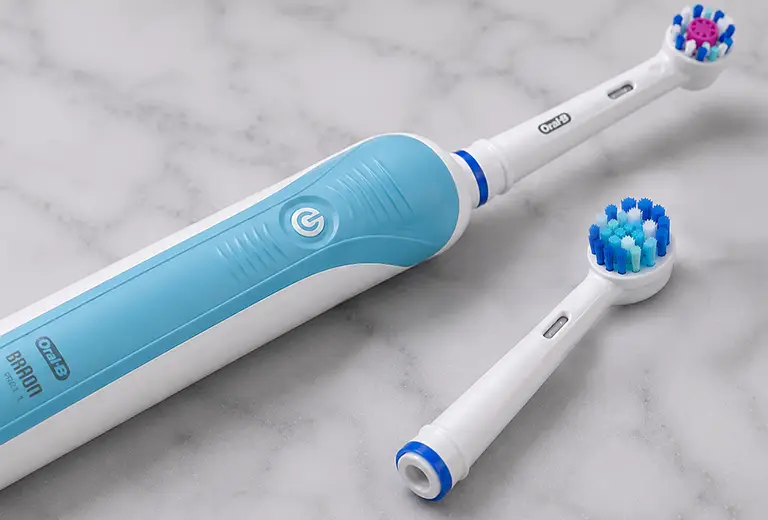
Brushing Mistake #1: Thinking Harder Means Cleaner
Let’s start with one of the most common mistakes we see. Many people brush their teeth as though they’re scrubbing burnt food off a saucepan. Unfortunately, your teeth aren’t saucepans. Brushing too hard can gradually wear away enamel and cause your gums to recede, exposing the more sensitive areas of your teeth. A good brushing technique should involve gentle circular movements with light pressure. Think “massage” rather than “scrub”. A simple way to tell if you’re brushing too aggressively? Look at your toothbrush. If the bristles start splaying out after only a few weeks, it’s probably not the toothbrush that’s the problem.
Brushing Mistake #2: Not Brushing Long Enough
Be honest, when was the last time you actually timed yourself brushing? Most people think they’re brushing for two minutes. In reality, many stop after 45 seconds to a minute. Two minutes may not sound like much, but it gives you enough time to clean all areas of your mouth properly and remove plaque effectively. One of the reasons we often recommend electric toothbrushes is that they help take the guesswork out of brushing. The Oral-B iO range, for example, includes built-in timers and pressure sensors that can tell you if you’re brushing too hard. It’s like having a tiny dental coach in your bathroom.
Brushing Mistake #3: Brushing Straight After Eating
This one catches a lot of people out. You’ve just finished your lunch and want to freshen up, so you head straight for your toothbrush. Seems sensible, doesn’t it? Actually, not always. Many foods and drinks temporarily soften the surface of your enamel because of their acidity. Brushing immediately afterwards can effectively scrub away tiny amounts of that softened enamel. Instead, try waiting at least 30 minutes before brushing. During that time, your saliva gets to work neutralising acids and helping your enamel recover.
If you really want to freshen up straight after a meal, rinsing with water or using a fluoride mouthwash can be a much kinder option. (Just remember not to use mouthwash immediately after brushing, as you’ll wash away the concentrated fluoride from your toothpaste.)
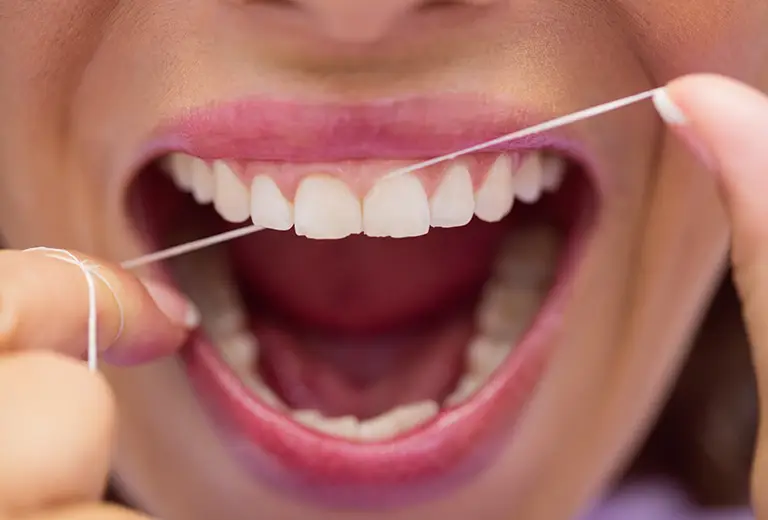
Flossing Mistake #1: Skipping It Altogether
If we’re honest, flossing isn’t exactly anybody’s favourite part of the day, but it’s one of the most important. Brushing only cleans around 60% of the tooth surface. The remaining 40% sits between your teeth and around the gum line, areas your toothbrush simply can’t reach. That’s where plaque loves to hide. Think of flossing as cleaning the rooms in your house that the vacuum cleaner can’t get into. If you ignore them long enough, problems start to build up.
Flossing Mistake #2: Treating Your Gums Like a Tug-of-War Rope
We’ve all seen it. A piece of floss gets snapped between the teeth with enough force to launch a small aircraft. Not surprisingly, your gums don’t appreciate this approach. Floss should be gently guided between the teeth and then curved into a “C” shape around each tooth before moving up and down. Done properly, flossing shouldn’t feel like a battle. And if you’re not sure you’re getting it right, ask us. That’s exactly what we’re here for. A quick demonstration from your dentist or hygienist can make all the difference.
Flossing Mistake #3: Stopping Because Your Gums Bleed
This is perhaps the biggest misconception of all. Many patients see blood when they floss and immediately stop because they assume flossing is causing damage. In reality, bleeding gums are often a sign that plaque and inflammation are already present. In many cases, consistent daily flossing will reduce the bleeding within a week or two because you’re removing the cause of the inflammation. Of course, if the bleeding continues or you’re concerned, it’s always worth booking an appointment so we can take a closer look.
The Simple Takeaway
Good oral hygiene doesn’t need to be complicated. A few small adjustments can make a huge difference to your long-term dental health:
- Brush twice a day for two minutes
- Use a soft-bristled toothbrush (or an electric toothbrush)
- Floss or clean between your teeth every day
- Replace your toothbrush or brush head every 3-4 months
- Attend regular dental examinations and hygiene appointments
Your teeth have to last a lifetime, a little extra care today can help prevent a lot of treatment tomorrow. And if you’re ever unsure whether you’re brushing or flossing correctly, just ask. We’d much rather help you improve your technique now than see the consequences later.